
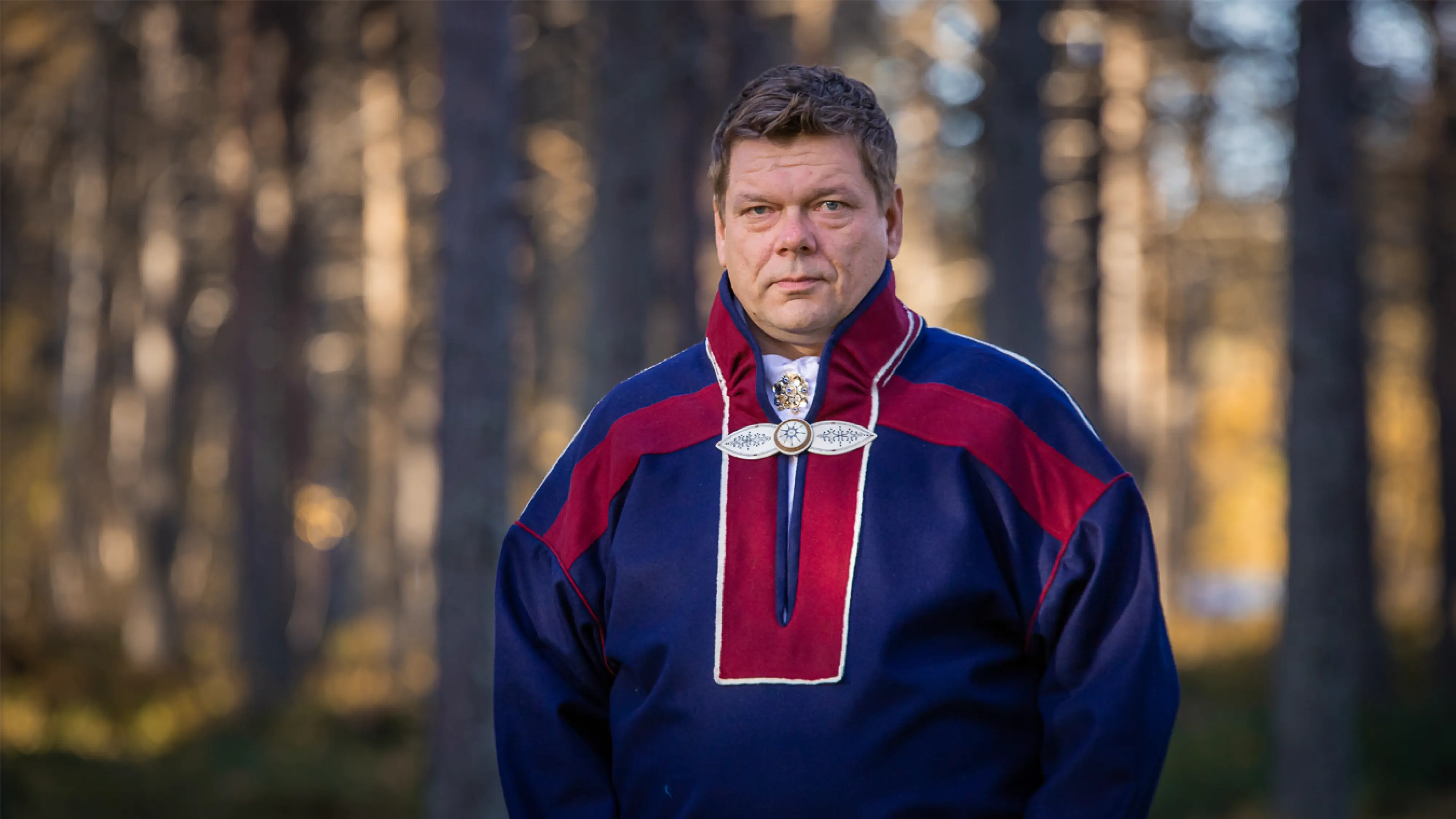
The Sámi are the indigenous people of northern Finland, Sweden, Norway, and Russia’s Kola Peninsula. In many maps this border-crossing region is known as Sápmi.
With roots stretching back thousands of years, the Sámi have traditionally lived off reindeer herding, fishing and hunting. They are known for their rich cultural traditions such as joik singing, duodji handicrafts, and oral storytelling.
Historically, the Sámi have fought for their languages and traditions, and the appropriation of their lands for farming, mining, and forestry. In the 20th century, cultural revival and political activism helped establish Sámi parliaments in Norway, Sweden, and Finland. They now provide a voice for Sámi issues, while legal protections for land and reindeer herding support the survival of traditional livelihoods.
Today, the Sámi number around 80,000 to 100,000 people depending on how we count. Many continue their traditional practices, while others participate fully in Nordic societies – as educators, government workers, business professionals, and so forth. Despite the recognition of their culture, challenges remain, including the effects of climate change, resource conflicts, and the preservation of endangered Sámi languages.
The Sámi people have lived alongside reindeer for generations. These animals are not merely livestock – they have been a source of food, clothing, transportation, and livelihood. They are cultural symbols woven into folklore, songs, and stories that pass knowledge, identity and values from one generation to the next.
→ Book a visit here